
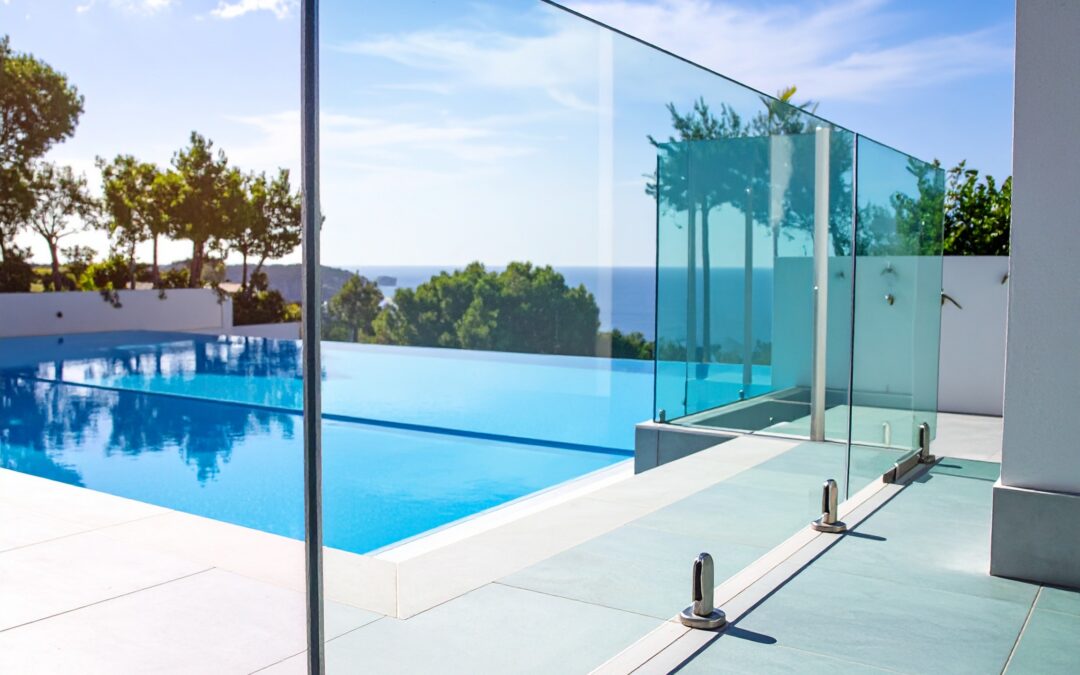
Arizona’s pool safety, property aesthetics, and climate considerations require careful attention to state guidelines and highly local codes. While statewide expectations exist, most fencing and safety compliance occurs at the city or county level. This article outlines key state-level principles and practical guidance for navigating local requirements.
- Statewide Safety Priorities
Public health and safety: The core aim of pool regulations is to prevent drownings and injuries, especially among children.
Code alignment: Arizona often references model codes for pool safety (e.g., IRC/IBC) with local adaptations. Ensuring your fencing and safety devices meet these standards is essential.
Responsible parties: Property owners, builders, and contractors must ensure that fencing, gates, and safety devices comply before and after installation.
- Fencing and Barriers: General Concepts
Perimeter fencing or enclosures: A barrier that prevents unauthorized access to a pool area, with sufficient height, strength, and integrity.
Gate requirements: Self-closing and self-latching gates with hardware positioned to deter small children.
Material considerations: Durable, weather-resistant materials suitable for Arizona’s climate; glass is a popular choice in many communities.
Maintenance: Fencing and gates should be kept in good working order; damaged components should be repaired promptly to maintain compliance.
- Common Arizona Jurisdiction Variations
City and county differences: Phoenix, Scottsdale, Tempe, Tucson, and others often have unique height limits, gate clearances, and design guidelines.
Permitting: Most pool installations, including fencing, require permits with plan review and inspections.
Inspections: Final inspections verify fence, gates, alarms, and safety devices meet local codes.
- Typical Requirements You Might Encounter
Fence height: Commonly at least 4 feet, though some areas may require different heights based on property or wind exposure.
Self-closing and self-latching gates: Must comply with local reach and safety standards.
Gate clearance and latch height: Specific measurements are mandated by code to limit access by children.
Alarms: Some jurisdictions require alarms on doors or gates, or on the water surface.
Fence openings: Openings must be small enough to prevent child passage; certain materials and configurations may have additional restrictions.
- Special Considerations for Arizona Climate
Wind loads: Regions with higher wind exposure require fencing systems designed to withstand loads; this impacts post design and anchoring.
Corrosion resistance: Outdoor pool fencing hardware should resist chlorine and mineral exposure; stainless steel or properly coated aluminum is common.
Heat and UV exposure: Durable finishes and coatings prevent warping and degradation.
- Steps to Compliance
Identify your jurisdiction: Determine city or county rules and obtain relevant documentation.
Review applicable codes: Focus on pool barriers, gates, latches, alarms, and inspection requirements.
Engage licensed professionals: Hire a contractor or pool company familiar with local codes and permitting.
Plan and submit: Prepare plans for fencing and safety devices; submit for permit review as required.
Schedule inspections: Coordinate milestones for inspections (pre-installation, post-installation, final).
Maintain documentation: Keep permits, inspection records, and warranties for future updates.
- Common Pitfalls to Avoid
Assuming state law guarantees compliance without local verification.
Installing non-compliant gates or hardware that cannot be retrofitted to meet local requirements.
Delaying permit applications, risking fines or required modifications.
Neglecting seasonal maintenance, which can affect gate function and safety.
- Practical Tips for Property Owners
Start with the design: Align fence design with local height limits, gate requirements, and aesthetics.
Plan for accessibility and safety: Ensure secure access while maintaining protection for children and guests.
Document transitions: If upgrading an existing fence, obtain the necessary modification permits or inspections.
Work with licensed installers: Ensure installers understand both state expectations and local amendments.
- How Glass Pool Fence Co. Can Help you through the Process
Product selection: We recommend glass types, post systems, and hardware finishes that comply with wind, corrosion, and safety standards in Arizona.
Design optimization: We tailor designs to your property’s geometry, climate, and aesthetic goals while ensuring code compliance.
Documentation and permits: We prepare required drawings, specifications, and certification documents to streamline permit submissions.
Installation oversight: We coordinate with licensed installers to ensure precise installation, proper sealing, and final inspections. (If requested)
- Resources
Local building departments: Reach out to your city or county for specific pool fence codes, permit processes, and inspection schedules.
Arizona state references: Expect provisions in the Arizona Revised Statutes (ARS) and adopted model codes via local jurisdictions.
Certified professionals: Seek licensed contractors, pool builders, and inspectors with Arizona experience.